-
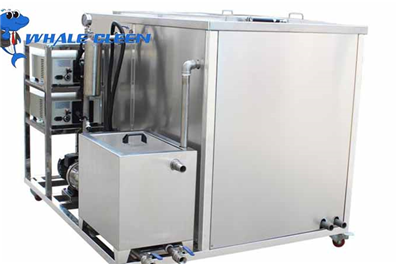 How to Choose a Good Ultrasonic Cleaner: The Ultimate Buying Guide
🔍 Part 1: Core Performance Indicators 1.Frequency Selection Guide Frequency Range Best For
-
 Which frequency of ultrasonic cleaner is used more? Can you wash the key cap?
The frequency range in which an ultrasonic cleaning machine is used depends on the shape and material of the cleaning. The cavitation effect determines the cleaning effect, and the ultrasonic frequency directly affects the cavitation effect. In general, t
-
 Precautions for using a multi-groove ultrasound cleaning machine
Ultrasonic cleaning originated in the 1960s. Since the advent of ultrasonic technology, scientists have discovered that ultrasonic in a certain frequency range acts in liquid media and can achieve the role of cleaning. As we all know, the sound people hea
-
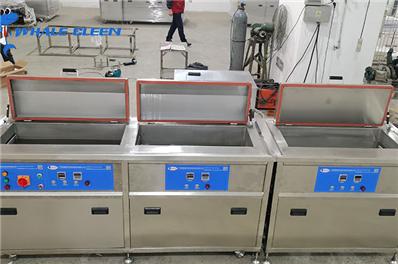 Choosing the Right Frequency for Ultrasonic Cleaning Machines: A Professional Overview
Ultrasonic cleaning has become a standard process in various industries due to its efficiency in removing contaminants from delicate and complex surfaces. Whether it's cleaning precision electronics, medical devices, automotive parts, or industrial eq
-
 Optimal Frequency Bandwidth Setting for Ultrasonic Cleaning Machines
Ultrasonic cleaning machines are widely used in industrial settings for their ability to efficiently and effectively clean a variety of surfaces. One crucial aspect of ultrasonic cleaning machines is the setting of the frequency bandwidth, which directly
-
 Sensor Metal Housing Cleaning: Ultrasonic vs. Spray—Where the Difference Actually Lives
A sensor housing comes off the machining line with cutting oil, metal fines, and oxidized particles packed into thread roots, blind-hole bottoms, and mating seams. It goes through a spray washer, comes out looking clean, and passes a visual check. Weeks l
-
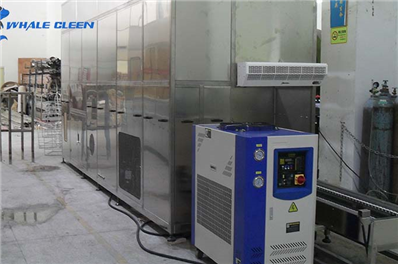 How to Remove Grinding Dust from Blind Holes and Gaps: Industrial Ultrasonic Cleaning Practical Guide
Grinding, deburring, and polishing operations leave fine dust that is easy to see on open surfaces and almost impossible to remove from blind holes and narrow gaps. Compressed air blows some dust out but pushes the rest deeper. Brushes cannot reach the bo
-
 Stuck with Grinding Dust Embedded in Batch Workpiece Crevices? Manual Cleaning Is Draining Your Labor Budget and Driving Production Costs Through the Roof
Walk into any metalworking shop, stamping plant, or machining facility, and you will see the same scene repeated shift after shift: workers hunched over parts bins, scrubbing with brushes, picking at crevices with picks, blowing compressed air into blind
-
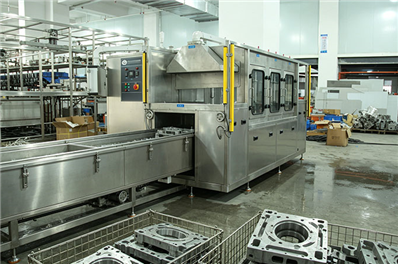 FPC Flexible Board Easily Damaged by Manual Cleaning? Finally, a Solution for High-Volume Degreasing
In electronics manufacturing, few components are as delicate—and as critical—as Flexible Printed Circuits (FPCs). Thin as paper, with trace widths often below 0.03mm, FPCs are the backbone of smartphones, wearables, tablets, and countless other compact de
-
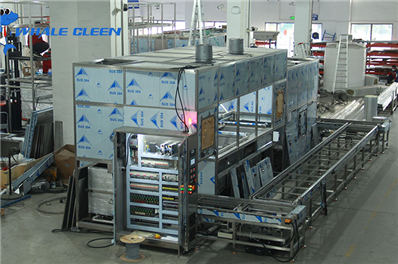 Fuel Nozzle Deep Degreasing Challenge: How Ultrasonic Cleaning Machines Remove Internal Deposits
Fuel nozzles are among the most precision-critical components in any engine—whether for diesel rail systems, gasoline direct injection, or gas turbines. Over their service life, three distinct contaminants accumulate inside the nozzle structure:Coked carb
-
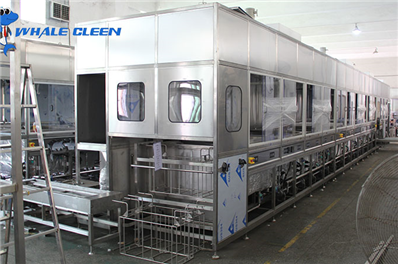 Precision Metal Stamping Parts Cleaning: Key Ultrasonic Equipment Selection Points — Why Whale Cleen Delivers Consistent, Damage‑Free Results
In high‑volume metal stamping production, cleaning is a process that is often underestimated—until it becomes the bottleneck. Stamped parts emerge from the press coated with heavy stamping oil, microscopic metal fines, and occasionally coolant residues. L
-
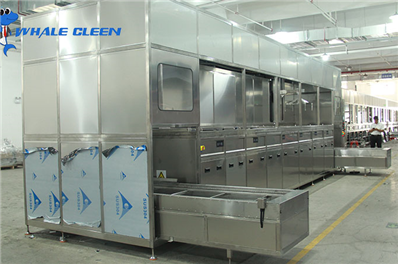 How to Choose a Fuel Injector Ultrasonic Cleaning Machine: A Practical Guide for Workshops and Engine Rebuilders
For automotive workshops, diesel service centers, and engine remanufacturing facilities, few problems are as common—and as frustrating—as clogged fuel injectors. Modern fuel injectors are precision components with microscopic spray holes (often 0.1–0.2 mm